
In brief
A teacher who suggested an assessment has noticed something worth understanding better. It is a starting point, not a diagnosis.
- Teachers can notice and screen for difficulties, but diagnosis is done by health professionals.
- Start with a meeting with the teacher, then a visit to your GP.
- You do not need a GP referral to see a psychologist.
- Schools can put support in place before any diagnosis.
Your child’s teacher suggested an assessment, and now your head is full of questions. Is something wrong? Did we miss something? What happens next? Those are completely normal reactions. Most parents in this position feel a mix of worry, surprise and, sometimes, relief that someone else has noticed what they have been wondering about too.
Here is what a teacher’s suggestion usually means, the questions worth asking, who can help, and how to take the next steps at a pace that suits your family.
What it means when a teacher suggested an assessment
For example, teachers see your child for hours every week, alongside many other children the same age. As a result, they have a useful point of comparison. When a teacher raises the idea of an assessment, they have usually noticed a pattern over time: difficulty keeping up with reading or maths, trouble focusing, big feelings in class, or friendships that seem hard work.
A teacher can notice and describe these things, and may screen for learning difficulties. As healthdirect explains, a diagnosis comes from a specialist, not the school. So, the suggestion is really an invitation to understand your child better. It is not a verdict.
A teacher’s concern is not a criticism of your parenting. It usually means your child’s teacher cares enough to want them to get the right support.
Questions to ask when a teacher suggested an assessment
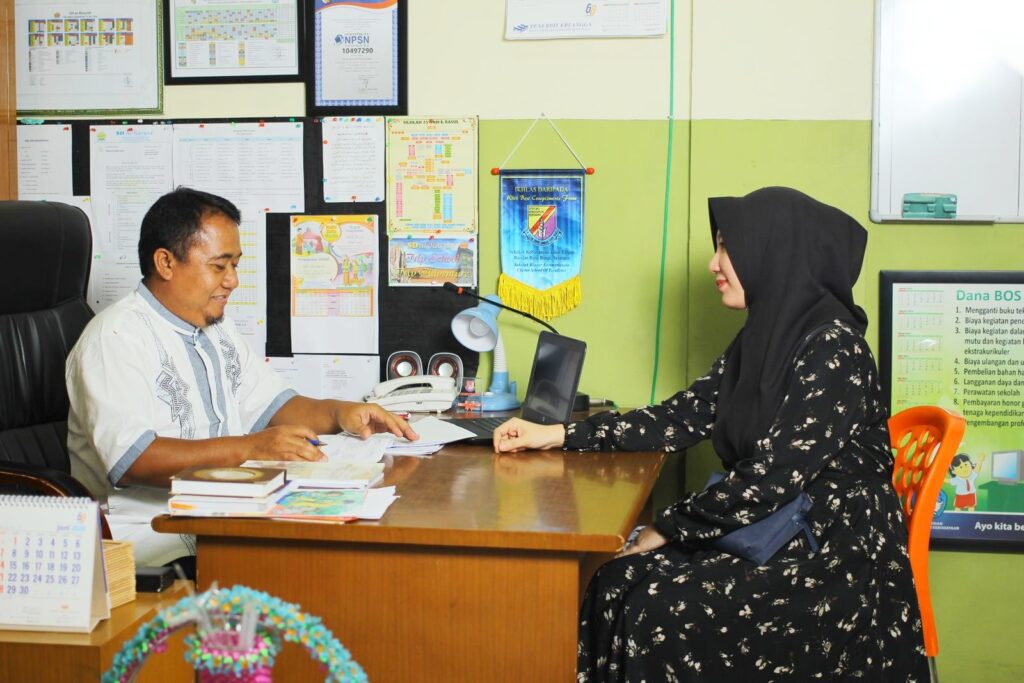
You do not need to wait for a parent-teacher interview to talk. Raising Children Network suggests asking for a meeting whenever you need one, and being clear and specific about what is happening. It can help to ask:
- What exactly have you noticed? Ask for specific examples, and how often they happen.
- When did it start? Has it changed across the year, or with different subjects or times of day?
- What have you already tried? And what seems to help?
- How does my child compare with others the same age? This gives you a sense of scale.
- What support can the school offer now? Many supports do not need a diagnosis.
- Can you write this down? A short note from the teacher is very useful later.
Afterwards, write down what you agree, who will do what, and when you will check in again. It is also worth sharing what you see at home, because the two views together give the fullest picture.
Start with your GP
A GP visit is a sensible next step after talking with the teacher. Your GP can check the basics first, including hearing and vision, which can affect attention and learning more than people expect. Sleep, general health and any recent changes at home are worth mentioning too.
In addition, your GP can talk through who is best placed to assess your child, and can refer you on if needed.
Who can assess, and for what
The right professional depends on what the teacher and you have noticed:
Learning and attention
Psychologists commonly assess learning difficulties and ADHD. Paediatricians and child psychiatrists also diagnose ADHD.
Autism and development
Psychologists, paediatricians, speech pathologists and occupational therapists can all be involved in an autism assessment.
You do not need a GP referral to see a psychologist. If you are seeing a paediatrician, you will need a GP referral to claim Medicare. Medicare rules for assessments vary, so ask your GP or provider what applies to your child.
An assessment is not about finding something wrong. It is about understanding how your child learns, thinks and feels, so the adults around them can help.
Support at school after a teacher suggested an assessment
Importantly, you do not need a diagnosis for your child to get help at school. Under the Nationally Consistent Collection of Data on School Students with Disability, school teams can use their professional judgement to make adjustments for a student, after consulting with parents.
Victorian government schools can also refer students to Student Support Services, which include psychologists, speech pathologists and occupational therapists. The school needs your consent first. Some students have a Disability Inclusion Profile, which describes their strengths and needs at school. The school will let you know if one would help.
Talking with your child
First, keep it simple and positive. You might say that you and their teacher want to understand how their brain learns best, so school can feel easier. In fact, children often feel relieved to hear that the things they find hard have a reason. Our guide to ADHD in children and our article on what to expect from an autism assessment explain two of the most common pathways in more detail.
If you are unsure about the teacher’s view
However, sometimes a teacher’s view does not match what you see at home. That is common, and both views can be true. A child may cope well at home and struggle in a busy classroom, or the reverse. An assessment gathers information from home and school so that neither view has to stand on its own. If you would like to talk through whether an assessment is the right next step, see our Cognitive and Educational Assessments, ADHD Assessments or Autism Assessments pages.
Common questions
Does a teacher suggesting an assessment mean my child has a diagnosis?
No. Teachers can notice patterns and screen for difficulties, but a diagnosis can only come from a health professional after a proper assessment.
Do I need a referral after a teacher suggested an assessment?
Not to see a psychologist. A GP referral is needed to claim Medicare for a paediatrician, so it is worth seeing your GP either way.
Can the school help before we have a diagnosis?
Yes. Schools can make adjustments based on their own professional judgement, and Victorian government schools can refer to Student Support Services with your consent.
What should I bring to the first appointment?
Recent school reports, any notes from the teacher, examples of schoolwork, and your own notes about what you have noticed at home.
Talk to us
Has a teacher raised a concern?
Get in touch and we will talk through what the school has noticed and what an assessment could look like for your child.
Sources
- healthdirect Australia — Learning disabilities
- healthdirect Australia — ADHD
- Raising Children Network — Learning difficulties: signs and support
- Raising Children Network — Problem-solving for parents and teachers
- Raising Children Network — Psychologists
- Raising Children Network — Autism diagnosis for children
- The Royal Children’s Hospital Melbourne — Learning difficulties and school problems (GP guideline)
- NCCD — Frequently asked questions
- Victorian Government — Extra support from specialist staff in schools
- Victorian Government — Disability Inclusion
This article provides general information and is not a substitute for individual clinical advice. If you have concerns about your child’s learning or development, speak with your GP, your child’s school or a qualified psychologist.