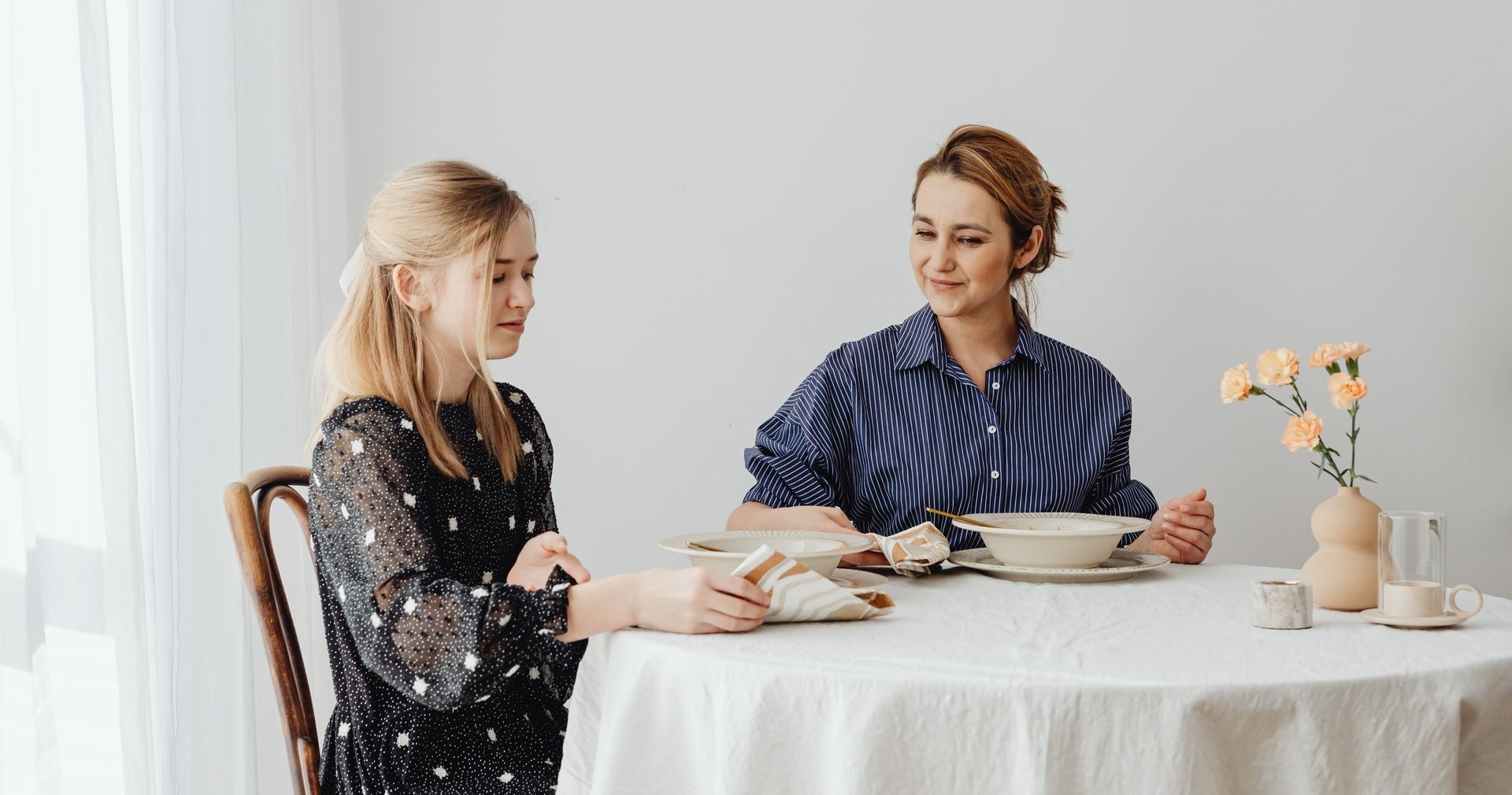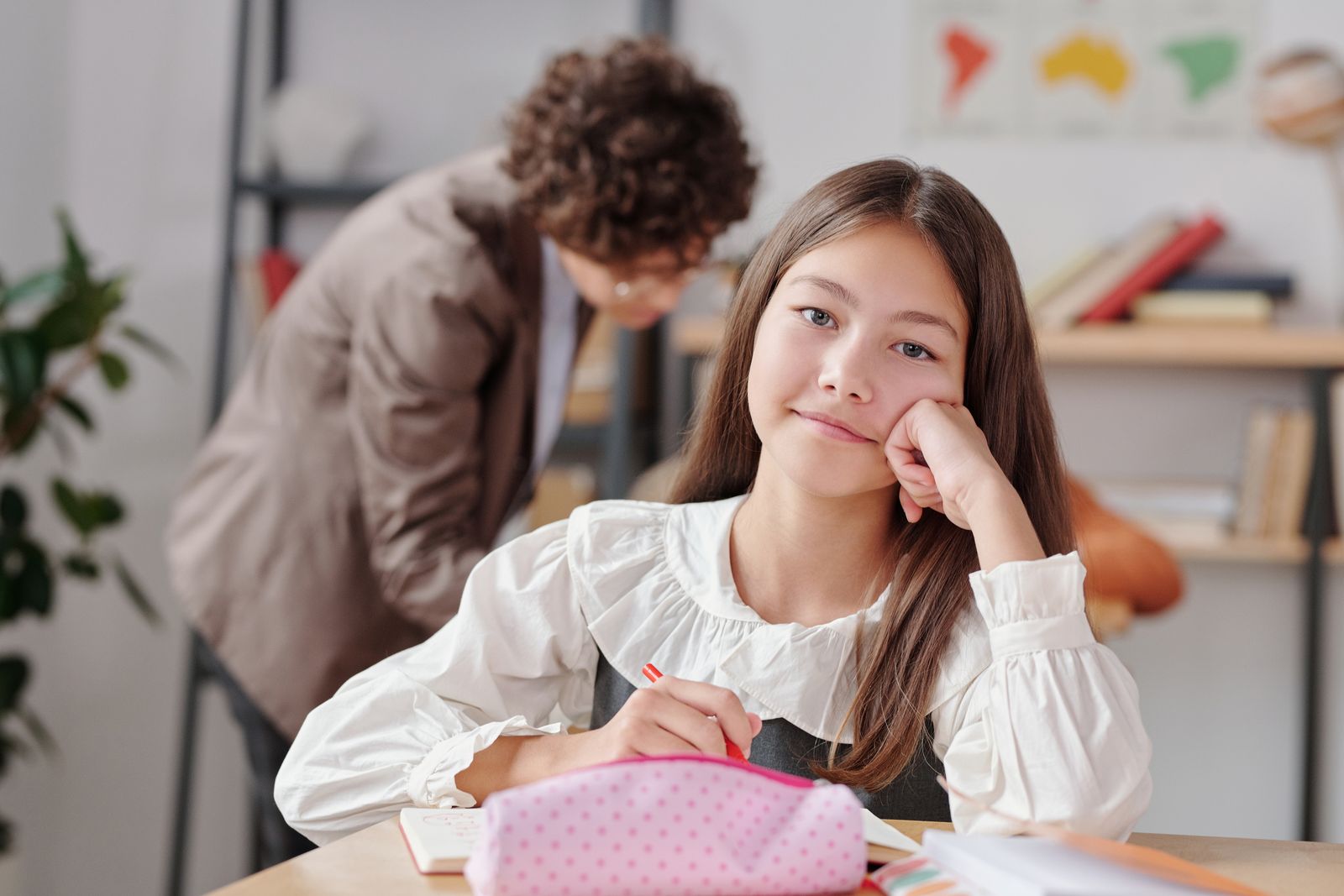
How do you tell everyday childhood worry from anxiety that needs support? Anxiety in children is common, and most of it is an ordinary part of growing up. Every child worries sometimes. A new school, a thunderstorm, the dark, a spelling test. Childhood comes with plenty to feel nervous about. A certain amount of worry is healthy. It even does a job. A little nervousness before a test sharpens focus, and wariness of heights keeps children safe.
Most parents are really asking something else. When is worry more than worry? Below: what anxiety looks like at different ages, what helps at home, and when to talk to someone.
How common is anxiety in children?
More common than many parents expect. Anxiety is one of the most common mental health concerns in childhood. In Young Minds Matter, Australia’s national survey of child and adolescent mental health, around 7% of children aged 4–11 had an anxiety disorder. In a class of 25, that is one or two children.
If your child is struggling with anxiety, they are far from alone. Noticing it is not a sign that you have done anything wrong.
What anxiety in children can look like
Anxiety in children does not always look like worry. It often shows up in the body and in behaviour rather than in words. That is part of why it gets missed, or mistaken for a tummy bug, stubbornness or “being dramatic”. Every child is different, so these are patterns to be aware of rather than a checklist:
- In their feelings: worries that seem big for the situation, irritability, tearfulness, or finding it hard to concentrate.
- In their body: stomach aches or headaches, feeling tense or tired, or trouble falling and staying asleep. It is always worth checking physical symptoms with your GP.
- In their behaviour: avoiding certain places, people or activities, needing a lot of reassurance (“but what if…?”), clinginess, sudden outbursts, or going back to earlier habits.
- At school: reluctance to go, frequent trips to sick bay, or pulling back from group work and friendships they previously managed.
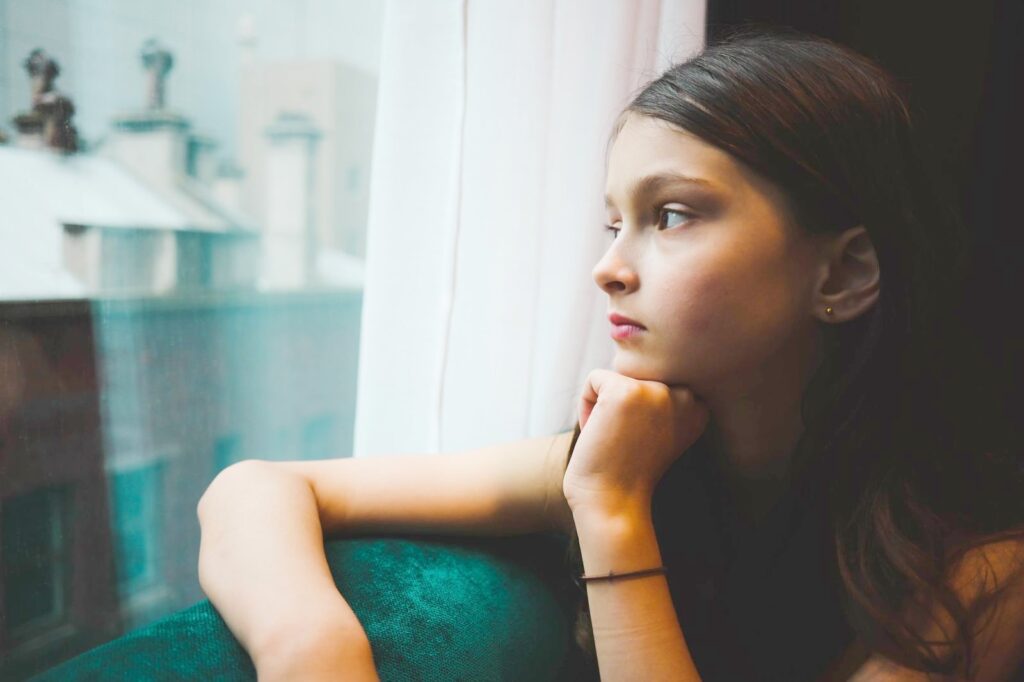
Everyday worry, or anxiety in children?
Context matters. It is expected for a child to feel anxious for a while after a big change — moving house, starting a new school, a family separation or a loss. Short-term worry after a stressful event is a normal response, not a warning sign on its own.
What clinicians look for is a pattern. The worry is out of proportion to the situation. It does not ease with reassurance or time. It turns up in more than one part of a child’s life. And it gets in the way of ordinary things: sleep, friendships, school, family life. If that sounds like your child, talk to your GP or a psychologist. You do not have to wait and see.
What helps at home
When a child is anxious, the instinct to protect them from whatever frightens them is completely understandable. Avoidance brings quick relief. Over time, though, it teaches a child that the situation really is too much for them. So support usually focuses on building confidence in small, supported steps. A few things tend to help:
- Name and validate the feeling without amplifying it — “that felt really scary” lands differently from “there’s nothing to be scared of”.
- Break big fears into smaller steps, so your child can build evidence that they can cope.
- Keep routines predictable, because uncertainty often feeds anxious thinking.
- Model calm coping. Children learn a great deal from watching how the adults around them handle stress.
- Reach out early rather than waiting for things to reach a crisis, especially if anxiety is affecting school or friendships.
The goal isn’t a child who never feels worried. It’s a child who knows they can handle the worry when it comes.
How a psychologist can help with anxiety in children
Psychological support is the usual starting point for anxiety in children. It usually starts with helping a child understand what anxiety is and how it shows up in their body. From there they learn practical ways to handle anxious thoughts and feelings. Confidence with the hard situations is built gradually.
Parents are usually closely involved, because much of the progress happens at home between sessions. For younger children the work is often play-based, while older children and teenagers work more directly on strategies. The aim is to make everyday life feel more manageable, at a pace that suits your child. You can read more about how we support children and teenagers on our Anxiety and Depression Support page.
How anxiety changes with age
Anxiety at five looks different from anxiety at fifteen. Younger children more often experience separation anxiety: distress at being apart from a parent or carer. Specific fears are common too, such as the dark, animals or loud noises. In the primary school years, worries shift towards performance and belonging. Fitting in, doing well at school, not being embarrassed in front of others.
In the teenage years, anxiety often centres on friendships, identity and the future. It is harder to spot, because older children keep more to themselves. Each of these is a real and understandable expression of anxiety, shaped by what matters most to a child at that stage.
When to reach out
Noticing anxiety in your child is not something you need to work out alone by trial and error. Is your child’s worry starting to shape their daily life, rather than showing up now and then? That is a good time to talk with your GP or a psychologist.
Common questions
When should I worry about my child’s anxiety?
When the worry is out of proportion to the situation, does not ease with reassurance or time, shows up in more than one part of their life, and is getting in the way of sleep, friendships, school or family life.
Will my child grow out of it?
Some childhood fears fade as children develop. Anxiety that is already shaping daily life is worth looking at rather than waiting out, because support is usually simpler earlier.
Should I let my child avoid the thing that frightens them?
Avoiding it brings quick relief, but over time it tends to keep anxiety going. Support usually focuses on facing manageable steps with help, rather than removing the challenge altogether.
Do I need a referral to see a psychologist about anxiety?
No. You can contact us directly. A Mental Health Care Plan from your GP is only needed if you want to claim a Medicare rebate for therapy sessions.
Talk to us
Worried about your child’s anxiety?
Get in touch and we will talk through what you are noticing and what support could look like for your child.
Sources
- Australian Institute of Health and Welfare — Australia’s children: Children with mental illness (Young Minds Matter survey data)
- healthdirect Australia — Anxiety in children
- Raising Children Network — Anxiety in children and childhood fears
This article provides general information and is not a substitute for individual clinical advice. If you are concerned about your child’s anxiety, speak with your GP or a qualified psychologist. If your child is in immediate danger, call 000. Kids Helpline (1800 55 1800) is available 24/7 for young people aged 5 to 25.